Core Features of Smart Lighting:
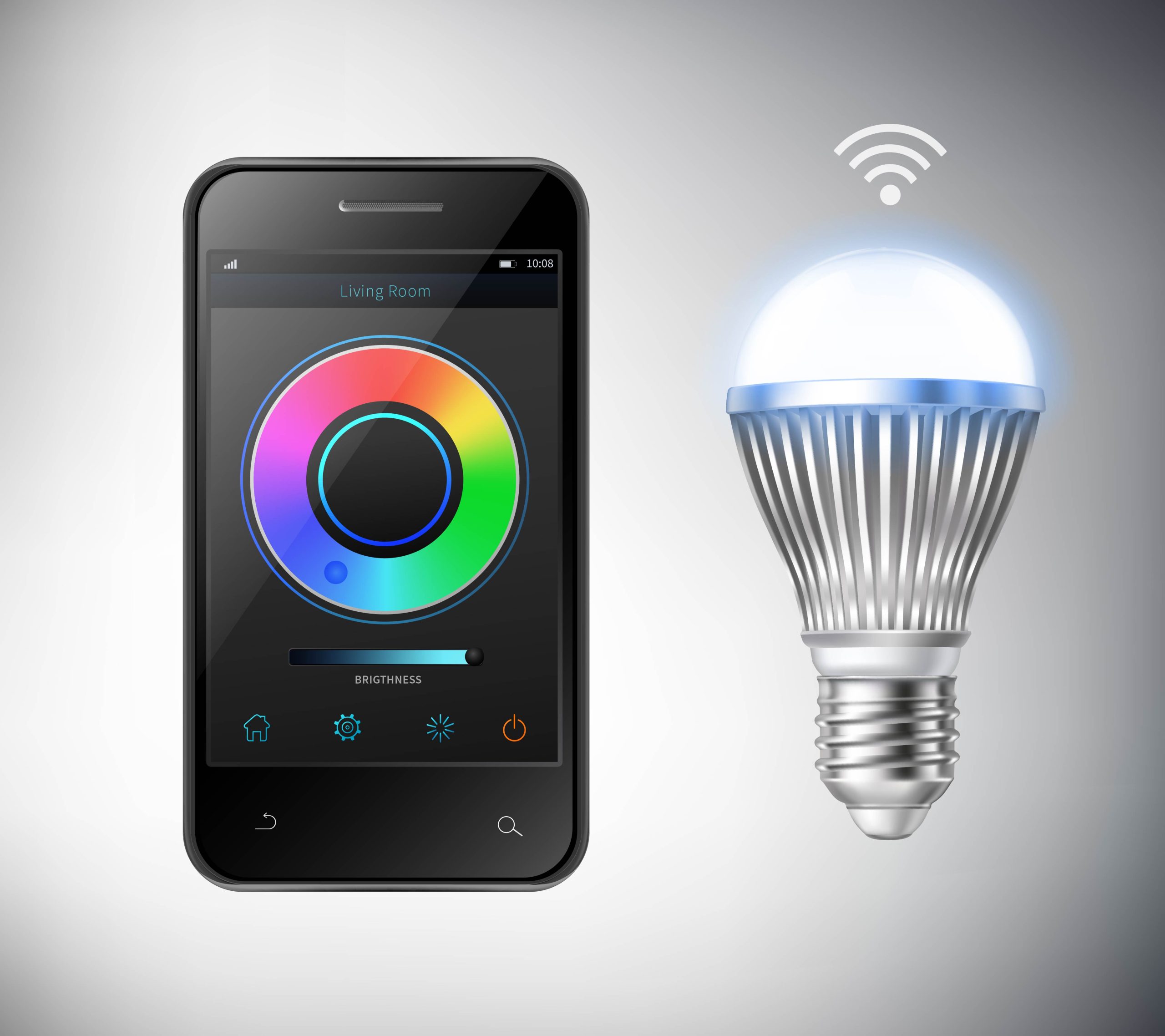
Remote Control: Controlled via smartphones, tablets, voice assistants (e.g., Alexa, Google Assistant). Turn lights on/off, adjust brightness or color from anywhere.
Automation & Scheduling: Lights can turn on/off based on time, sunrise/sunset, or user behavior. Automated routines improve convenience and security.
Sensors Integration: Motion sensors: Lights turn on when movement is detected. Ambient light sensors: Adjust brightness based on natural light.
Dimming & Color Adjustment: Many smart bulbs offer dimmable and color-changing capabilities. Useful for mood lighting, circadian rhythm regulation, or aesthetic purposes.
Energy Efficiency: Reduces energy consumption through automation and LED technology. Usage data can be tracked for energy management.
Connectivity: Works over Wi-Fi, Bluetooth, Zigbee, or Z-Wave. Can be part of a larger smart home system (e.g., connected to thermostats or security cameras).